Savings
Savings account rates rising as banks adjust to economic shifts
Savings account rates are increasing as financial institutions respond to changing economic conditions. Some accounts now offer higher returns than previously available.
A report highlights top-performing stocks in 2026 based on one-year returns, showing significant gains despite market volatility.
Why it matters: Investors may find opportunities in stocks that have shown strong returns over the past year.
Savings account rates are increasing as financial institutions respond to changing economic conditions. Some accounts now offer higher returns than previously available.
Mortgage rates fell slightly on Friday as reduced tensions in Iran may slow inflation. This could lower borrowing costs for homebuyers.

Top advisors from a 2026 ranking list share strategies for navigating new tax rules in year-end planning.

Americans will spend 6.9 billion hours on tax compliance in 2026, costing $387 billion in lost productivity. Additional out-of-pocket costs add $157 billion.

A proposed law would let developers deduct up to $150,000 per rental unit immediately, reducing tax penalties for new housing projects.

New Jersey’s income tax brackets have not been updated for inflation, increasing the tax burden on residents. This means more people are paying higher taxes than necessary.

Colorado voters will choose between capping income taxes at 4.4% or adopting a graduated-rate income tax system.
Some savings accounts offer over 4% APY, but fees and conditions may reduce actual returns. Consumers should compare terms carefully.
Forty tax measures are on the ballot in 17 states this November, with some states proposing higher taxes on top earners and others seeking to set low tax rates in their constitutions.
Canada has made full expensing for machinery, equipment, and patent rights permanent, increasing the rate from about 15% to two-thirds of business capital investment.

A report highlights that 'no tax on' deductions may not always lower total tax liability due to complex rules and hidden costs.

Federal healthcare subsidies and tax preferences are increasing, adding to long-term fiscal pressures. These programs are expected to grow significantly over the next few decades.
Bonus depreciation allows businesses to deduct full costs of capital investments immediately. This aligns tax deductions with actual spending, not delaying them.

The EU's updated tobacco tax plan aims to standardize rates across member states, but raises concerns over national control over taxation.
Some states define a barrel differently for tax purposes, creating confusion and extra costs for businesses operating in multiple states.

Research shows US businesses and consumers are paying higher tariffs because of trade practices between related companies. These practices shift costs to domestic buyers.

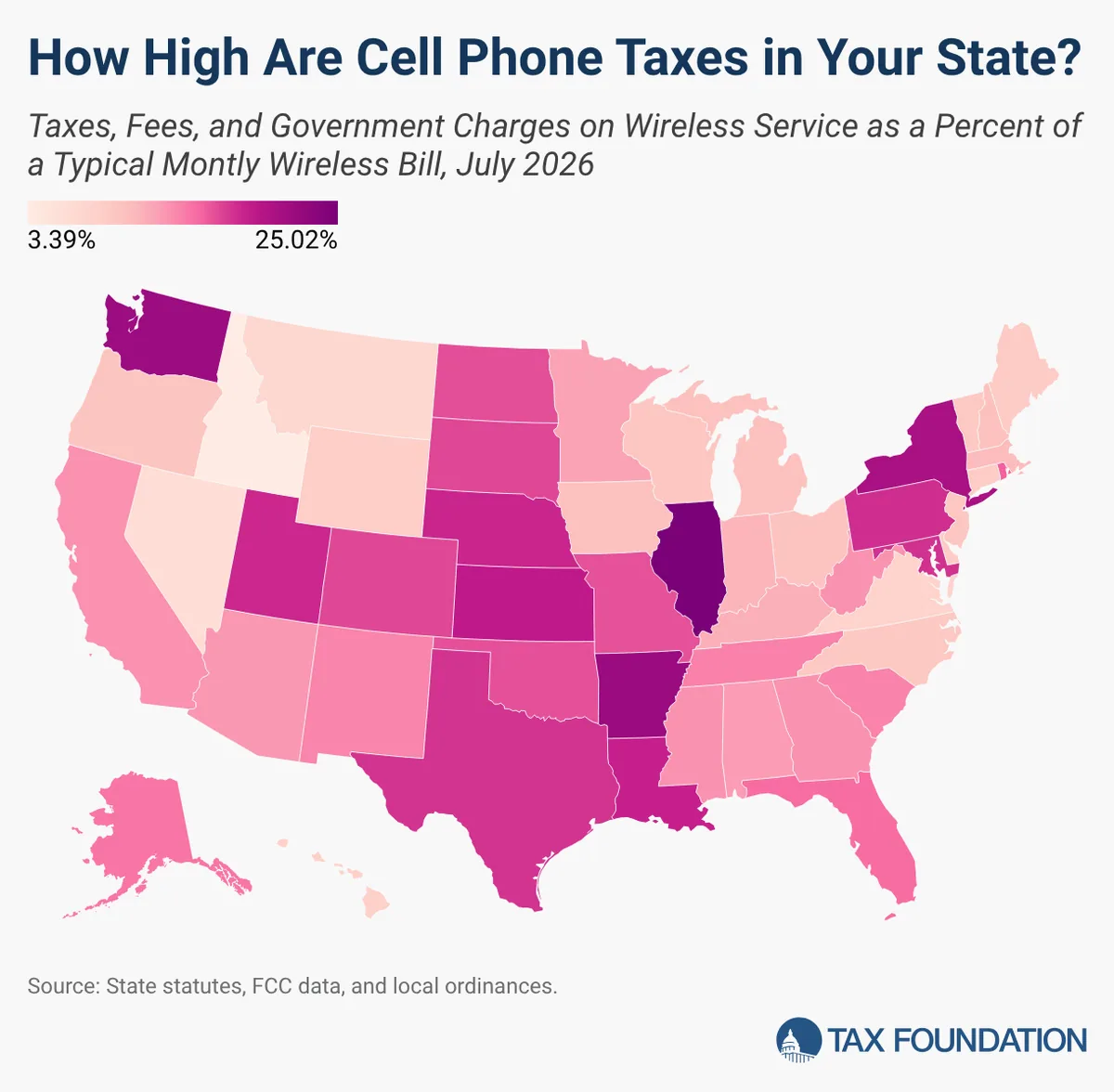
A new federal surcharge will increase wireless taxes and fees in 2026. The tax applies to wireless services and is not justified by user-pays or social cost reasons.
A new proposal would let investors delay taxes on reinvested gains from mutual funds until they sell shares. This aims to make tax rules more consistent for savings.
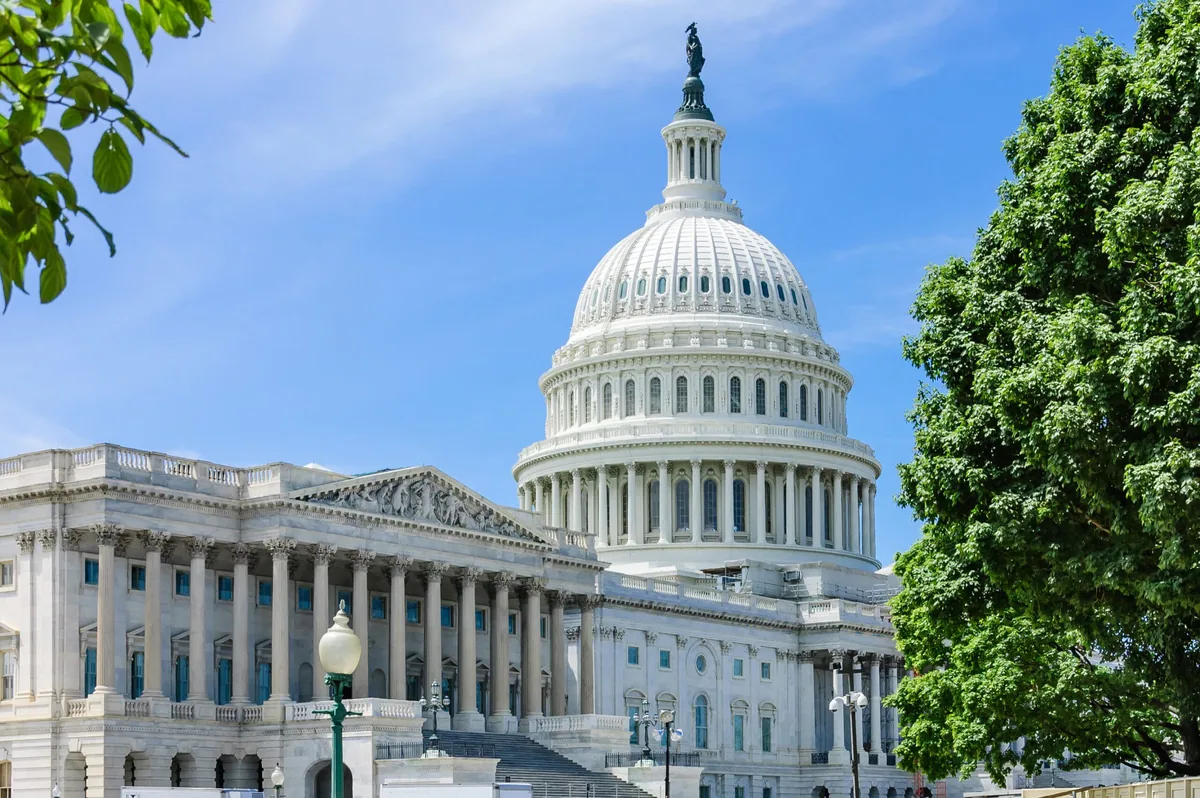
Congress passed reforms to simplify the tax code, but complexity has increased over decades. New rules and targeted tax changes may add to confusion.

Spain has released a 2026 regional tax competitiveness index to compare tax systems across regions. The report provides data to help assess tax policies.

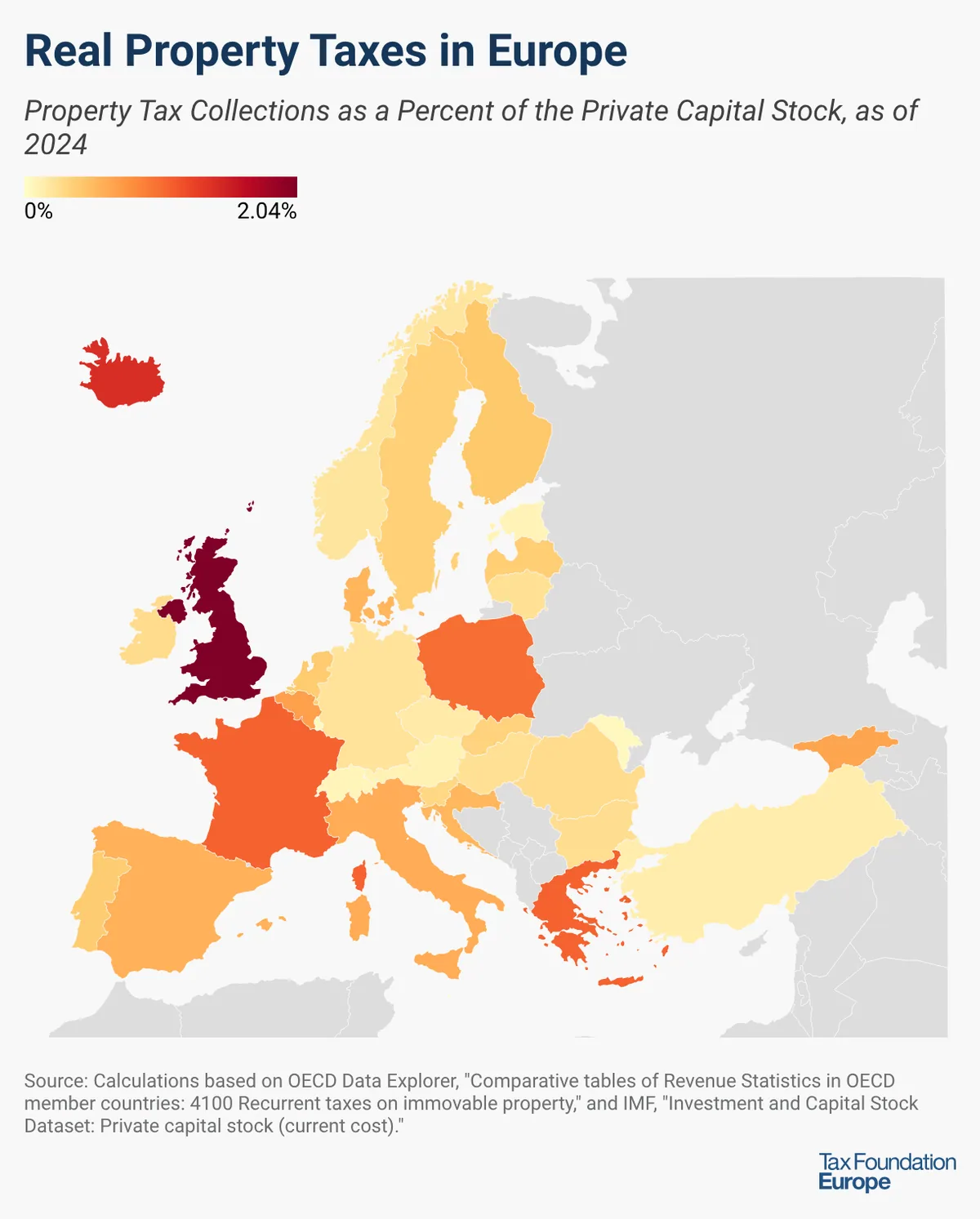
Real property taxes in Europe include buildings and structures, which may discourage investment in infrastructure. Businesses may face additional tax costs.
New ETFs track MLB and NHL team performance, drawing comparisons to gambling by experts. Over 200 such funds have been launched recently.

CNBC's Financial Advisor 100 list requires months of work and multiple checks to ensure accuracy and consistency in rankings.

CNBC's Financial Advisor 100 list names top financial advisors and firms for 2026. Criteria include client satisfaction, assets under management and industry recognition.

Airfares are rising, but tools now let users claim refunds if prices later fall. Some services monitor prices and issue credits when cheaper options appear.